Disability, Virtue, and the Good Life
Sparked by the profound disruption of spinal cord injury, this research challenges traditional ideas of a good life to explore how we can flourish when we confront life-changing disability. Drawing on virtue ethics, it offers a framework that embraces our shared vulnerability and locates joy within our embodied limits.
What makes a good life? For centuries, philosophy has linked human flourishing to physical autonomy, health, and independence. But this idea falls short when faced with the universal realities of vulnerability, illness, and limitation.
While this research began with the lived reality of quadriplegia, its lessons go beyond a single diagnosis. As explored in Crippled Grace and a growing body of collaborative research, disability is a fundamental part of the human condition. Sooner or later, every body encounters its limits.
Drawing on the ancient tradition of virtue ethics, this collective writing and research reclaims vulnerability not as a tragic deficit, but as a site for the cultivation of meaning, interdependence, and joy. Through books, multi-authored journal articles, and cross-disciplinary projects spanning ethics, policy, and disability studies, this work challenges the myth of the self-sufficient individual. Instead, it offers a framework for the good life that embraces shared fragility and locates flourishing within our embodied boundaries.
Post-Traumatic Growth & Engage
The philosophical framework of flourishing with disability is put into practice in the Engage programme. Co-designed alongside people with lived experience, health professionals, and consumer organisations, Engage is a structured intervention grounded in post-traumatic growth and virtue ethics.
Hosted by Spinal Cord Injuries Australia (SCIA), this free 10-week online programme helps individuals navigate the profound existential disruption of an acquired disability. Through shared storytelling, digital narratives—such as [Sarah's story]—and targeted modules, participants can draw on their inner resources, rebuild meaning, and identify new avenues for a good life.
Books
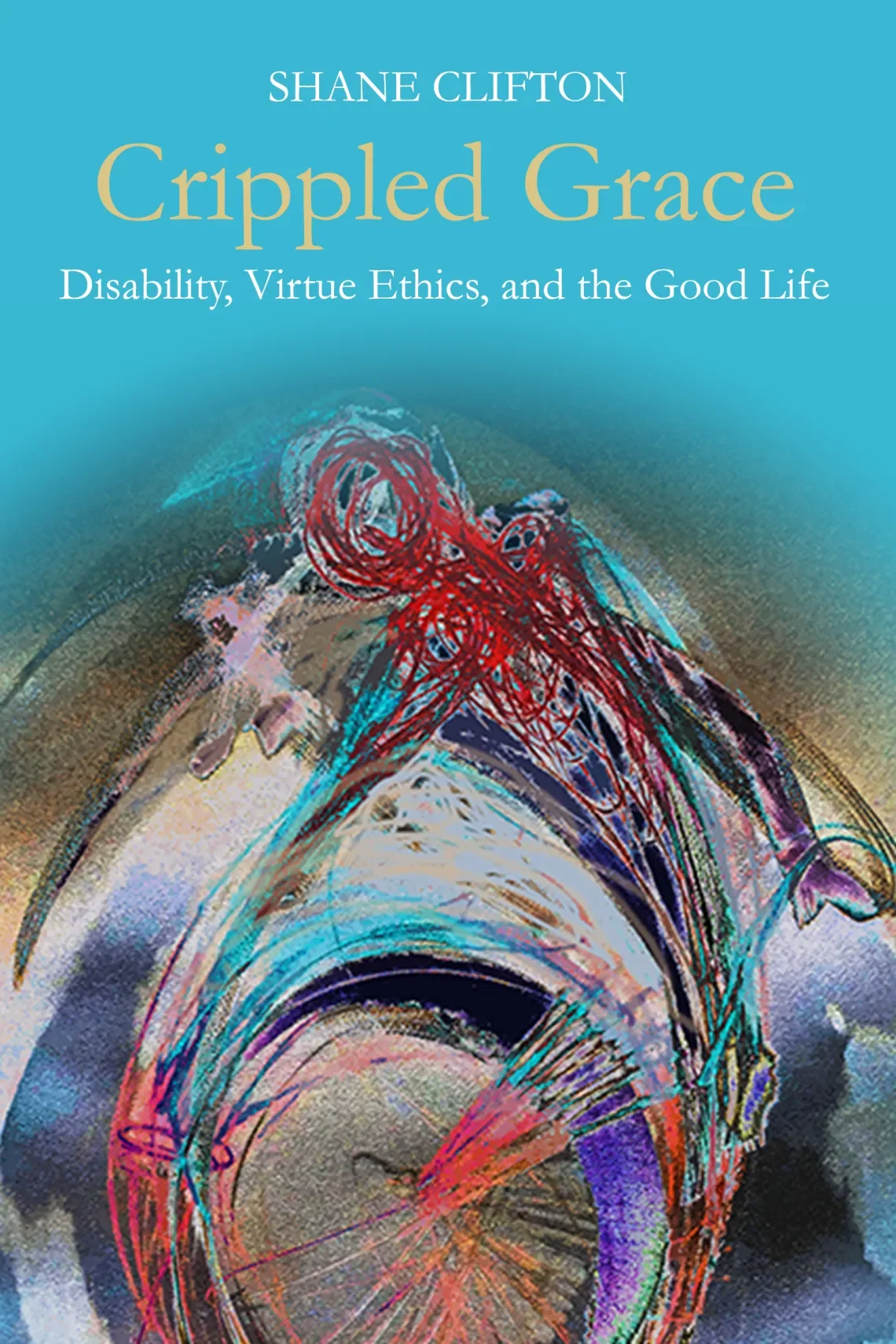
Crippled Grace: Disability, Virtue Ethics, and the Good Life
A scholarly exploration of what constitutes human flourishing, bringing the Aristotelian virtue tradition into conversation with disability studies and positive psychology. It examines how the lived experience of vulnerability and interdependence reframes traditional concepts of happiness and care. Access publication details →
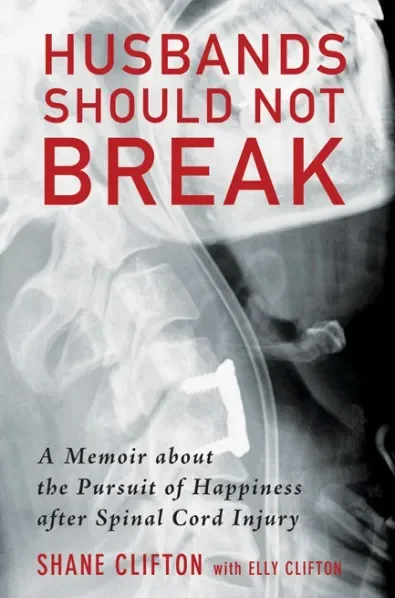
Husbands Should Not Break: A Memoir
The narrative foundation for this research, charting the raw realities of sudden quadriplegia, family resilience, and the early years of adapting to a major life transition. It provides the existential backdrop for the ethical frameworks developed in the subsequent scholarship. Access publication details →
A sample of peer-reviewed publications

-
Clifton, S., Bray, E., Dong, S., McCabe, R., & Siddall, P. (2024). Disability and Rehabilitation, 46(22), 5243–5252.
-
Clifton, S. & Clifton, J. (2026), (eds) Dana S. Dun et al, The Oxford Handbook of Positive Psychology and Disability. OUP, 238-249.
https://academic.oup.com/edited-volume/62207/chapter-abstract/550145896?redirectedFrom=fulltext
-
Clifton, S., Llewellyn, G., & Shakespeare, T. (2018). Disability & Society, 33(1), 20-38.
https://www.tandfonline.com/doi/full/10.1080/09687599.2017.1379951
-
Clifton, S. (2014). Disability and Rehabilitation, 36(21), 1823–1829.
-
Tan, E., Mackenzie, L., Wesson, J., & Clifton, S. (2026). Disability and Rehabilitation, 48(10), 2925–2948.
For a complete archive of peer-reviewed journal articles, book chapters, and wider research outputs, view Shane Clifton's University of Sydney Faculty Profile →.